
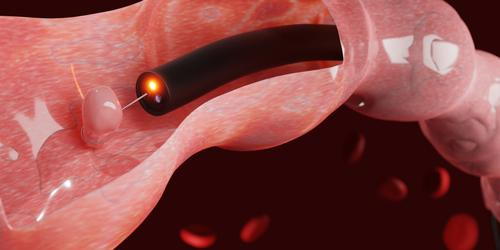
Early detection remains one of the most effective ways to reduce the risk of colon cancer. During colon cancer screening, identifying and evaluating polyps allows physicians to intervene before serious disease develops. Dr. Stephen K. Buto, M.D., a board-certified gastroenterologist with more than thirty years of experience, approaches screening with a strong emphasis on accuracy, prevention, and patient education at his Honolulu, HI practice.
Why Polyp Detection Matters
Polyps are abnormal growths that form along the lining of the colon. Many remain harmless, but some can progress into cancer over time. Because polyps often develop without noticeable symptoms, colon cancer screening plays a critical role in finding these growths early. Proactive screenings allow patients to address risks before they escalate into more complex health issues.
How Gastroenterologists Identify Polyps
During colon cancer screening, Dr. Buto evaluates the colon lining using advanced diagnostic techniques designed to highlight even subtle abnormalities. His training and clinical experience allow him to recognize changes in tissue texture, shape, and color that may signal polyp development. Careful, methodical examination supports accurate identification and reduces the likelihood of missed findings.
Dr. Buto relies on a structured evaluation process that examines the entire colon rather than isolated areas. This comprehensive approach reflects his commitment to thorough care and long-term patient outcomes.
Technology and Clinical Expertise
Modern screening tools support detailed visualization of the colon lining, but experience remains essential. Dr. Buto combines advanced imaging capabilities with decades of hands-on clinical judgment. This balance allows him to detect small or flat polyps that might otherwise escape notice during routine evaluations.
His familiarity with common and uncommon polyp patterns further enhances detection accuracy. Patients benefit from this depth of knowledge, particularly those with family history or other risk factors.
Managing Findings During Screening
When there is a concerning tissue or growth during a colon cancer screening, it is addressed promptly and safely. The characteristics of each finding and determines appropriate next steps, which may include removal, monitoring, or further analysis. Clear communication ensures patients understand the results and necessary follow-up care.
A Preventive, Patient-Focused Approach
Dr. Buto views colon cancer screening as a cornerstone of preventive health. He prioritizes patient comfort, education, and trust throughout the process. By helping patients understand why screening matters, he encourages proactive participation in long-term digestive health.
Schedule a Colon Cancer Screening Consultation
Patients interested in comprehensive colon cancer screening can contact the practice of Stephen K. Buto, M.D. in Honolulu, HI. To schedule an appointment or discuss screening options, call (808) 524-7676 and speak with the office team about personalized preventive care.